Skip to content
About the Department
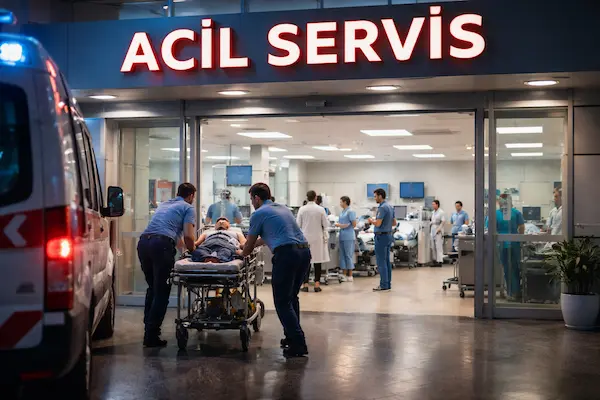
The Emergency Department (ED) is one of the most critical units of a hospital, providing 24/7 uninterrupted care for sudden, life-threatening, or urgent medical conditions. Accurate triage, rapid diagnosis, and timely treatment directly impact a patient’s survival rate and quality of life.
Modern emergency departments operate with advanced imaging capabilities, experienced medical teams, and a multidisciplinary approach. Especially in large cities, the organization and technological infrastructure of the ED play a vital role in ensuring patient safety.
Services Provided in the Emergency Department
Emergency departments are not only for sudden illnesses but also serve as the first point of evaluation and treatment for many critical conditions.
Trauma and Accident Management
Emergency teams provide rapid intervention for traffic accidents, workplace injuries, falls, and sports injuries. Conditions such as fractures, dislocations, soft tissue injuries, and head trauma are prioritized.
Acute Medical Conditions
Symptoms like chest pain, shortness of breath, loss of consciousness, stroke symptoms, severe abdominal pain, and high fever require immediate medical attention. Early diagnosis and prompt treatment are vital.
Cardiac and Neurological Emergencies
Conditions such as heart attacks, arrhythmias, stroke, and epileptic seizures require advanced equipment and expertise. Modern monitoring systems and rapid imaging help prevent delays.
24/7 Emergency Care Approach
The defining feature of emergency departments is continuous service availability—including nights, weekends, and public holidays.
Experienced Emergency Physicians and Staff
Emergency physicians are trained in acute care, internal medicine, surgery, and trauma management. Nurses and support staff are highly skilled in handling urgent cases efficiently.
Rapid Diagnosis and Intervention
A key focus in modern emergency care is fast diagnosis and minimal waiting time. Integrated systems ensure seamless coordination between laboratory, radiology, and specialist consultations.
Diagnostic and Imaging Methods in the Emergency Department
Advanced technology significantly enhances the effectiveness of emergency care.
Laboratory Services
Emergency lab tests allow rapid evaluation of blood parameters, infection markers, and biochemical values, which is crucial in conditions like sepsis, heart attacks, and metabolic emergencies.
Radiology and Imaging
Quick access to X-ray, ultrasound, CT (computed tomography), and MRI (magnetic resonance imaging) is essential for accurate and timely diagnosis.
Integration with Other Medical Departments
Emergency departments work closely with other specialties to ensure comprehensive care.
Collaboration with Internal Medicine and Surgical Departments
After initial stabilization, patients may be referred to internal medicine, general surgery, orthopedics, cardiology, or neurology for further treatment.
Intensive Care and Hospitalization
Patients with life-threatening conditions are quickly transferred to intensive care units (ICUs) when necessary, ensuring continuity of care.
When Should You Visit the Emergency Department?
Patients often hesitate about when to seek emergency care. Immediate evaluation is necessary in the following situations:
Life-Threatening Conditions
- Severe chest pain
- Sudden loss of consciousness
- Difficulty breathing
- Uncontrolled bleeding
- Signs of stroke
Severe Pain and Trauma
- Intense, unbearable pain
- Serious falls or head injuries
- Suspected fractures
Patient Safety and Triage System
Emergency departments use a triage system to prioritize patients based on the severity of their condition.
Importance of Triage
Patients with higher life risk are treated first, ensuring efficient and life-saving care.
Management of Waiting Times
Waiting times vary depending on clinical urgency. Non-critical patients may wait longer than those requiring immediate intervention.
Standards of Modern Emergency Departments
Today’s emergency departments are evaluated not only by treatment success but also by patient experience and safety.
Physical Infrastructure and Comfort
- Spacious treatment areas
- Isolated patient rooms
- High hygiene standards
Digital Records and Monitoring Systems
Digital systems enable quick access to patient history, previous tests, and results, improving diagnostic accuracy and reducing errors.
What to Consider When Choosing an Emergency Department
Choosing the right facility is crucial in emergencies.
Expert Medical Team and Advanced Technology
A well-trained team and modern equipment are key indicators of quality care.
Accessibility and Location
In large cities like Istanbul, central location and easy access can save valuable time in emergencies.
Feel Safe with Emergency Care
Emergency departments are the first and most vital point of care in unexpected health situations. With rapid intervention, accurate diagnosis, and effective treatment, life-threatening risks can be minimized.
Modern emergency care focuses on patient safety, medical excellence, and uninterrupted service, ensuring reliable healthcare when it matters most.