Skip to content
About the Department
Gastroenterology is the medical specialty that focuses on the diagnosis, treatment, and follow-up of digestive system diseases. This field covers the entire digestive tract, including the esophagus, stomach, small and large intestines, liver, gallbladder, and pancreas. Since the digestive system is closely linked to overall health, gastroenterology holds a key position within internal medicine.
Modern gastroenterology units aim for early diagnosis and effective treatment through advanced endoscopic procedures, imaging techniques, and a multidisciplinary approach.
Diseases Treated in the Gastroenterology Department
Gastroenterology covers a wide range of conditions affecting patients of all ages.
Esophageal and Stomach Diseases
Conditions such as gastroesophageal reflux disease (GERD), gastritis, peptic ulcers, gastrointestinal bleeding, and esophageal strictures are evaluated by gastroenterology specialists. Early diagnosis is crucial, as prolonged symptoms may lead to serious complications.
Intestinal Diseases
Diseases affecting the intestines form a significant part of gastroenterology practice. These include:
- Irritable Bowel Syndrome (IBS)
- Inflammatory Bowel Diseases (Crohn’s Disease and Ulcerative Colitis)
- Constipation and diarrhea
Liver, Gallbladder, and Pancreatic Diseases
Conditions such as hepatitis, fatty liver disease, cirrhosis, gallstones, and pancreatitis are closely monitored. Liver diseases, in particular, may remain asymptomatic in early stages, making regular check-ups essential.
Diagnostic Methods in Gastroenterology
Advanced diagnostic tools play a critical role in successful treatment.
Endoscopy
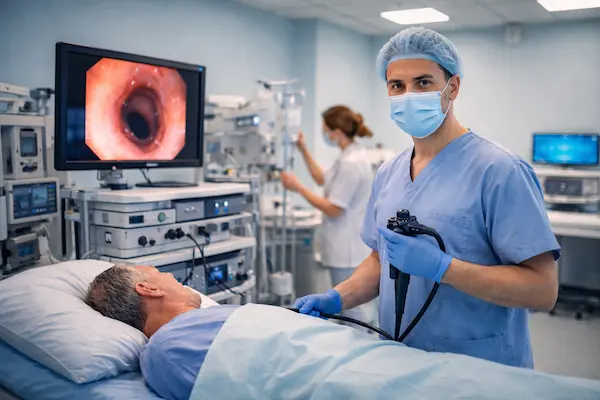
Endoscopy allows visualization of the esophagus, stomach, and duodenum. It is commonly used to diagnose conditions such as reflux, gastritis, ulcers, and gastrointestinal bleeding.
Colonoscopy
Colonoscopy provides a detailed examination of the large intestine and plays a vital role in the early detection of colorectal cancer.
Imaging and Laboratory Tests
Techniques such as ultrasound, computed tomography (CT), magnetic resonance imaging (MRI), and advanced blood tests enable comprehensive evaluation of digestive system diseases.
Treatment Approaches in Gastroenterology
Treatment is tailored according to the type and stage of the disease.
Medical Treatments
Many digestive diseases can be managed with medications and lifestyle modifications, including acid suppressants, antibiotics, and immunomodulatory therapies.
Endoscopic Interventions
Procedures such as polyp removal, bleeding control, and dilation of strictures can often be performed endoscopically without the need for surgery.
Nutrition and Lifestyle Modifications
Diet plays a crucial role in digestive health. Personalized dietary plans and lifestyle recommendations are provided by specialists.
Collaboration with Other Medical Departments
Gastroenterology works closely with various specialties:
- Internal Medicine and General Surgery: Some conditions may require surgical intervention, requiring coordinated care.
- Oncology: In cancers such as stomach, colon, and pancreatic cancer, gastroenterology and oncology teams work together for diagnosis and treatment.
When Should You Consult a Gastroenterologist?
Certain symptoms require evaluation by a specialist:
Persistent Digestive Complaints
Ongoing symptoms such as abdominal pain, bloating, indigestion, and reflux should not be ignored.
Alarm Symptoms
Signs such as unexplained weight loss, anemia, blood in stool, and difficulty swallowing require immediate medical attention.
Patient Safety and Comfort
Modern gastroenterology units prioritize patient safety and comfort.
- Sterilization and Hygiene: Strict sterilization protocols are essential for endoscopic procedures.
- Sedation: Procedures like endoscopy and colonoscopy can be performed under sedation for patient comfort.
Choosing the Right Gastroenterology Department
Selecting the right facility is crucial for successful diagnosis and treatment.
- Experienced Specialists: Expertise ensures accurate diagnosis and effective treatment.
- Advanced Technology: Modern equipment enables early detection and improved outcomes.
Protect Your Digestive Health
The gastroenterology department plays a central role in maintaining digestive health and treating related diseases. With early diagnosis, personalized treatment, and regular follow-up, many conditions can be effectively managed.
Modern gastroenterology combines a patient-centered approach, advanced technology, and multidisciplinary collaboration to provide safe and effective healthcare services.