About the Department
Anesthesiology and Reanimation is the medical department that monitors the patient’s safety, comfort and vital functions during surgical procedures, interventional procedures, childbirth, intensive care and pain management. Anesthesia is not limited to making sure the patient feels no pain during surgery; preoperative risk assessment, monitoring of heart and respiratory functions during the procedure, choosing the appropriate anesthesia method, and postoperative recovery and pain control are also among the core responsibilities of this department.
In the Anesthesiology and Reanimation Department at Avicenna Hospital, patients are assessed according to the planned procedure, their existing conditions, age, the medications they use and their general health. The goal is to create a safe, controlled and personalized anesthesia plan for every patient.
What Is Anesthesiology and Reanimation?
Anesthesia is the general term for medical practices that prevent the patient from feeling pain during surgical or interventional procedures and, depending on the type of procedure, regulate the level of consciousness and the body’s responses in a controlled way. Reanimation is the field that covers supporting vital functions, monitoring critically ill patients and providing advanced life support when needed.
For this reason, the Anesthesiology and Reanimation department serves as a critical bridge between the operating room and the intensive care unit. The anesthesiologist has a broad area of responsibility, from preparing the patient before the procedure and monitoring during surgery to the recovery process and assessing the need for intensive care.
What Does an Anesthesiologist Do?
An anesthesiologist is the specialist physician who carries out the medical assessment needed for the patient to go through surgery or a procedure safely, determines the appropriate anesthesia method and monitors vital signs throughout the procedure.
The anesthesiologist’s duties include:
- Assessing the patient’s general health before surgery
- Reviewing risks related to the heart, lungs, kidneys, liver and other systems
- Asking about medications, allergies and previous experiences with anesthesia
- Determining the appropriate anesthesia method
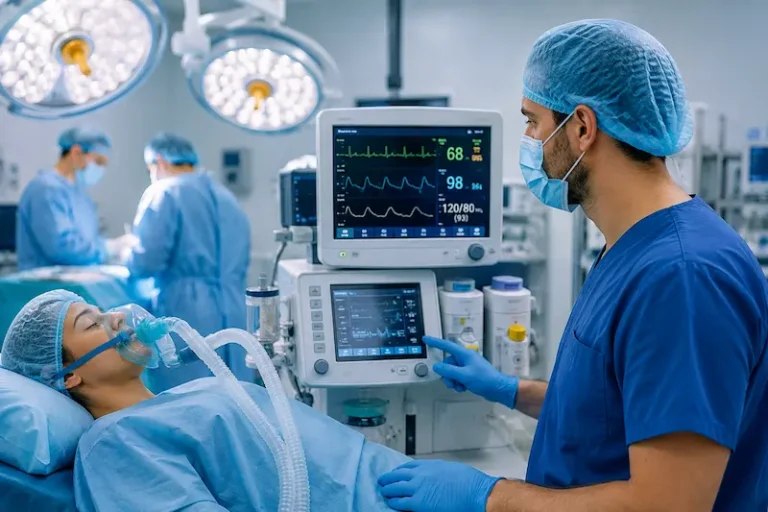
- Monitoring breathing, pulse, blood pressure, oxygen level and consciousness during surgery
- Managing fluid, blood, medication and respiratory support when needed
- Following the postoperative recovery and pain control process
- Taking part in life-support processes for patients who need intensive care
This process ensures that the patient is assessed holistically, not only during surgery but from before the operation through to discharge planning.
Which Anesthesia Methods Are Used?
The anesthesia method is chosen according to the type and length of the procedure and the patient’s age and general health. The same method is not used for every patient. Based on the pre-procedure assessment, the anesthesiologist plans the most suitable and safest method.
General Anesthesia
General anesthesia is the method in which the patient is unconscious during the procedure, feels no pain, and the surgical process is carried out in a controlled way. It may be preferred for major surgery, long operations or situations in which the patient must remain completely still.
During general anesthesia, the patient’s breathing, heart rhythm, blood pressure, oxygen level and other vital signs are continuously monitored by the anesthesia team. Respiratory support is provided when necessary, and the medications used are adjusted to the patient’s needs.
Regional Anesthesia
Regional anesthesia is the method in which pain sensation in a specific area of the body is temporarily blocked. The patient is usually awake but feels no pain in the area being operated on. It may be preferred in many areas such as orthopedic surgery, childbirth, and lower abdominal and lower limb operations.
Spinal anesthesia, epidural anesthesia and nerve blocks are among the regional anesthesia methods. Whether these methods are suitable is assessed according to the patient’s health and the surgery to be performed.
Local Anesthesia
Local anesthesia is used to numb a small area. It can be used for minor surgical procedures, stitches, removal of skin lesions or procedures performed on limited areas. The patient is awake during the procedure, and pain is reduced or eliminated only in the treated area.
Sedation
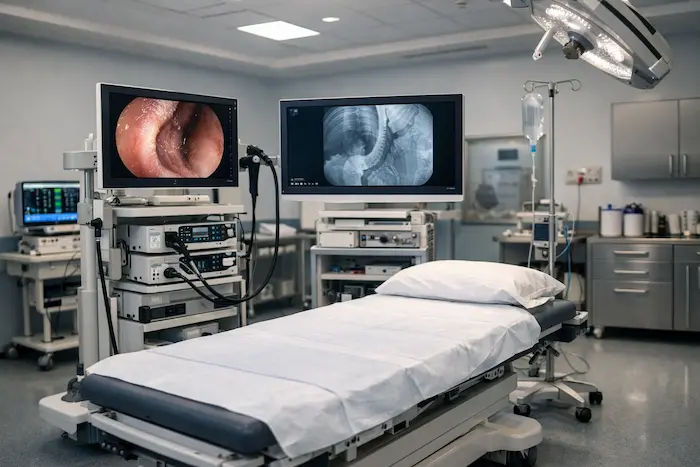
Sedation covers medications that help the patient feel calmer, more relaxed and more comfortable during a procedure. It may be preferred for endoscopic procedures, some interventional procedures or short procedures. The level of sedation can range from mild relaxation to deep sedation, so the patient’s breathing and circulation are monitored throughout the procedure.
Preoperative Anesthesia Assessment
One of the most important stages of the anesthesia process is the preoperative assessment. In this assessment, the patient’s existing conditions, medications, allergies, previous surgeries, experiences with anesthesia and general health are reviewed in detail.
When necessary, the anesthesiologist may request blood tests, an ECG, a chest X-ray, or a cardiology or other specialty consultation. This assessment becomes even more important in cases such as heart disease, hypertension, diabetes, asthma, COPD, kidney disease, use of blood thinners or advanced age.
During this process, the patient is informed about fasting times, the medications to be used, what to pay attention to on the day of surgery and the period after the procedure. The aim is to identify possible risks in advance and create a safe anesthesia plan.
Anesthesia Monitoring During Surgery
During surgery, the anesthesiologist and the anesthesia team continuously monitor the patient’s vital functions. Parameters such as heart rhythm, blood pressure, oxygen level, breathing, body temperature and depth of anesthesia are tracked with monitors.
This monitoring keeps the patient within safe limits throughout the procedure. When necessary, medication doses are adjusted, respiratory support is given, fluid therapy is managed and the team works in coordination with the surgical team.
Anesthesia management is one of the least visible but most critical parts of surgery in terms of patient safety.
Postoperative Recovery and Pain Control
After the operation, the patient is monitored in the recovery room. During this time, breathing, circulation, level of consciousness, pain level, side effects such as nausea and vomiting, and overall recovery are closely watched.
The anesthesia team decides when the patient can safely be moved to the ward or, if necessary, transferred to intensive care. Postoperative pain control is also an important part of this process. Appropriate pain management helps the patient recover more comfortably, get moving sooner and adapt better to the treatment process.
Reanimation and the Intensive Care Process
Reanimation covers supporting the vital functions of critically ill patients and managing processes that require advanced monitoring. Intensive care may be needed in cases such as respiratory failure, circulatory problems, serious infections, the need for close monitoring after major surgery, or multiple organ support.
Anesthesiology and reanimation specialists play a critical role in areas such as respiratory support, vascular access management, fluid and electrolyte balance, pain and sedation monitoring, and advanced life support. For this reason, the department is not limited to the operating room; it is also a core specialty for the hospital’s intensive care and emergency response capacity.
When Is the Anesthesiology and Reanimation Department Involved?
The Anesthesiology and Reanimation department works across a wide range of areas, from surgical procedures and interventional procedures to intensive care monitoring and pain control.
The main situations in which the department is involved are:
- Operations in general surgery, orthopedics, neurosurgery, gynecology, urology, ENT and other surgical specialties
- Endoscopy, colonoscopy and similar procedures that require sedation
- Anesthesia during childbirth and cesarean section
- Surgical procedures that require spinal, epidural or nerve block anesthesia
- Postoperative pain management
- Patients in intensive care who need respiratory and circulatory support
- Critical patient monitoring and reanimation procedures
What Patients Should Know for Safe Anesthesia
It is very important for patients to share their health information in full before anesthesia. Medications, blood thinners, herbal supplements, allergies, chronic conditions, previous problems with anesthesia, and smoking and alcohol use must be reported to the physician.
In addition, the preoperative fasting time should be followed, medications that the physician has said to stop or continue should be used as instructed, and the instructions given for the day of the procedure should be followed carefully.
Every anesthesia procedure is planned individually. For this reason, the patient’s age, weight, conditions, type of procedure and general condition are assessed together.
Our Approach to Anesthesiology and Reanimation at Avicenna Hospital
The core approach of the Anesthesiology and Reanimation Department at Avicenna Hospital is scientific, personalized anesthesia management that puts patient safety at the center. The patient’s risks are assessed before surgery, vital functions are closely monitored during the procedure, and the postoperative recovery process is followed in a controlled way.
The department contributes to the patient’s entire treatment process by working in coordination with the surgical specialties, intensive care, the emergency department and other medical units. The goal is for patients to go through surgery and interventional procedures in the safest, most comfortable and most controlled way possible.
Frequently Asked Questions
What does anesthesiology and reanimation cover?
The Anesthesiology and Reanimation department covers anesthesia during surgery and interventional procedures, preoperative risk assessment, postoperative recovery and pain control, and intensive care and critical patient monitoring.
What does an anesthesiologist do during surgery?
The anesthesiologist makes sure the patient feels no pain during surgery and continuously monitors vital functions such as breathing, heart rhythm, blood pressure and oxygen level. When necessary, they manage medication, fluid and respiratory support.
Is general anesthesia safe?
General anesthesia is a safe method when administered by a specialist team under appropriate conditions. However, as with any medical procedure, there may be some risks. These risks vary according to the patient’s age, existing conditions, type of surgery and general health. That is why the preoperative anesthesia assessment is important.
Are spinal and epidural anesthesia the same thing?
Spinal and epidural anesthesia are both regional anesthesia methods, but they differ in where they are given and how long they last. The anesthesiologist decides which method is suitable based on the type of procedure and the patient’s health.
Why do I need to fast before anesthesia?
Fasting before anesthesia is important to reduce the risk of stomach contents entering the airways. For this reason, patients are told how long they should not eat or drink before the procedure.
When will I return to normal after anesthesia?
Recovery time depends on the anesthesia method used, the length of the procedure and the patient’s general condition. In the first hours after general anesthesia, drowsiness, a sore throat, nausea or weakness may occur. Whether the patient is moved to the ward, sent home or transferred to intensive care is decided based on a medical assessment.